GM Pursues Domestic Battery Supply Chain Amid Trade Tensions
GM moves to build U.S. battery supply chains for EVs and energy storage as scrutiny of China-linked auto ties intensifies.
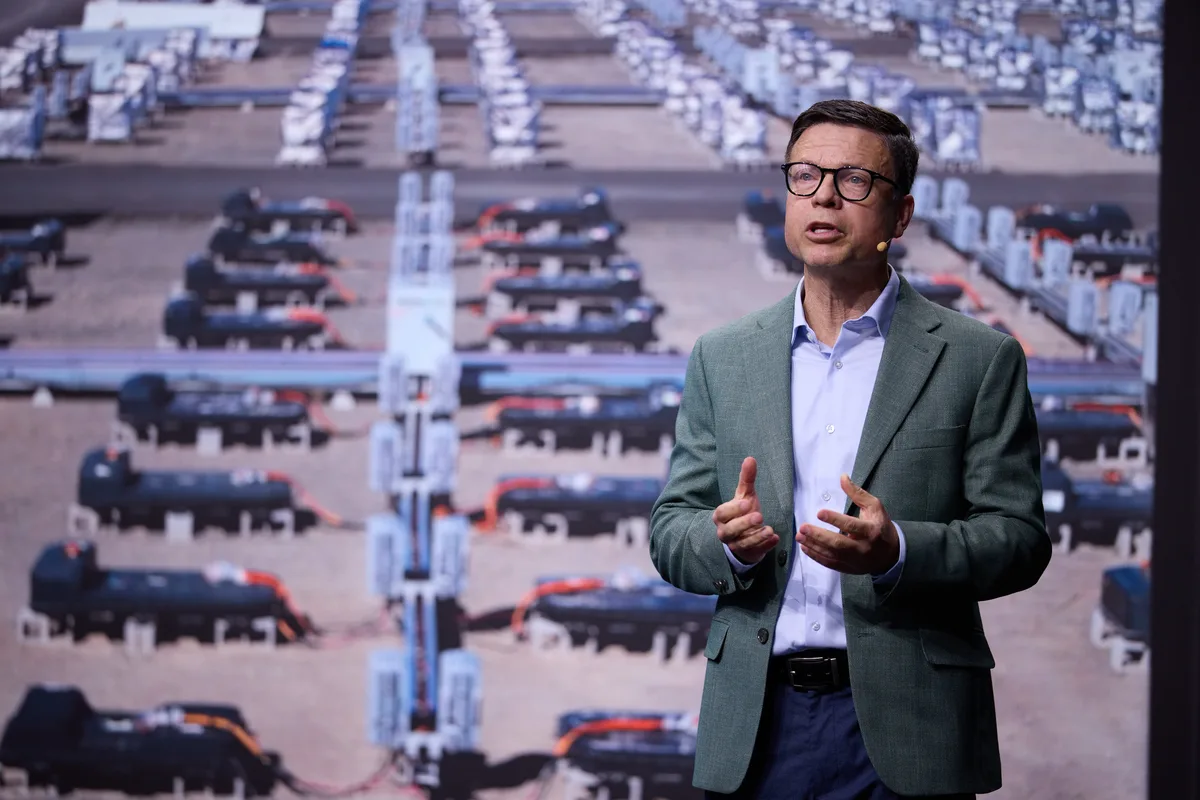
General Motors is pushing to develop battery supply chains within the United States, targeting both electric vehicles and energy storage systems, as the automotive industry faces mounting pressure over its reliance on Chinese raw materials.
The initiative comes as the Trump administration's Department of Transportation has directed criticism at Ford over its ties to China, signaling a broader government posture aimed at reducing foreign dependency in critical manufacturing sectors.
Read more Starbucks Plans $1 Billion Store Overhaul Amid Margin Concerns →
Battery cells across the industry currently depend heavily on raw materials sourced from China, a supply dynamic that has drawn increasing scrutiny from policymakers concerned about national security and economic competitiveness. GM's domestic push reflects an effort to get ahead of that regulatory and political pressure.
By establishing U.S.-based sourcing and development pipelines, GM aims to insulate itself from potential tariff exposure, supply disruptions, and reputational risk as Washington intensifies its focus on American manufacturing self-sufficiency. The strategy also positions the automaker to compete for federal incentives tied to domestic content requirements.
The contrast between GM's domestic battery strategy and the scrutiny facing Ford underscores a competitive dynamic now playing out across the U.S. auto sector, where supply chain geography is becoming as consequential as engineering or pricing. Continue reading at Business News.