CoreWeave and NVIDIA's Older GPUs: What the Revenue Model Reveals
Aging NVIDIA GPUs continue generating rental income, raising key questions about CoreWeave's long-term business viability.
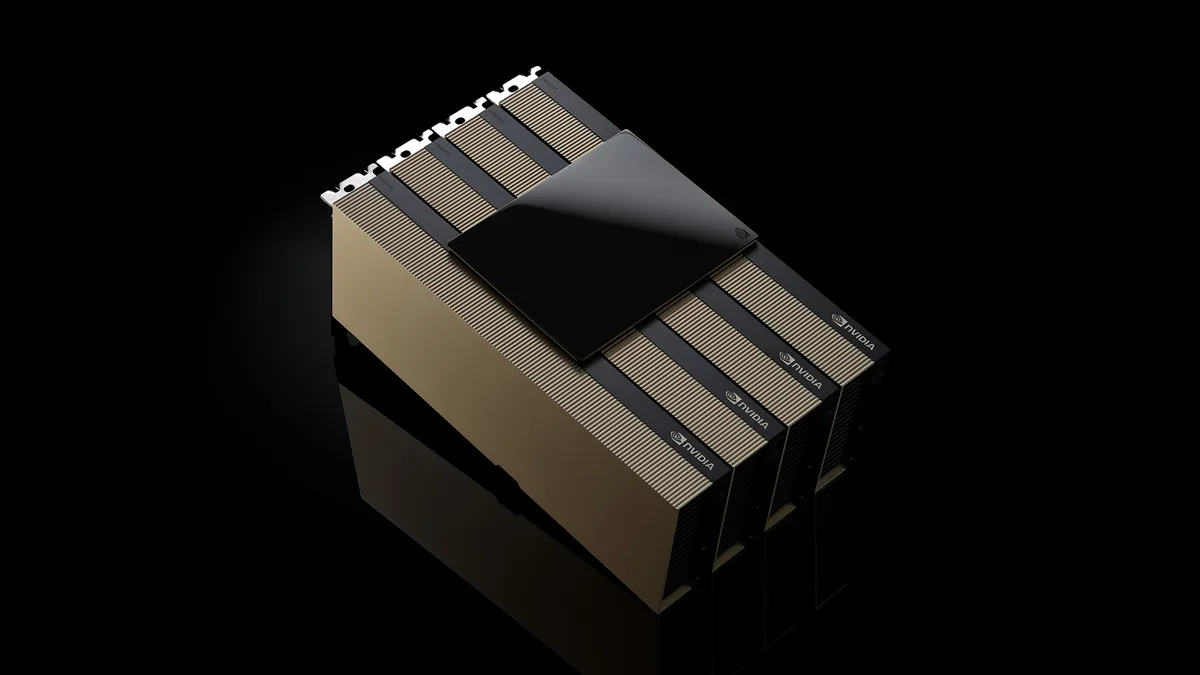
Older NVIDIA graphics processing units continue to command rental fees in the AI infrastructure market, a dynamic that carries significant implications for cloud computing firms like CoreWeave that have built their business models around leasing GPU capacity to clients.
The persistence of revenue from legacy GPU hardware suggests sustained demand for AI compute resources across a broad spectrum of customers, not solely those requiring the most cutting-edge silicon. For CoreWeave, which has positioned itself as a specialized AI cloud provider, this trend offers both validation and caution in equal measure.
Read more Intel's Long-Term Value Outlook: Is 2030 Worth the Wait? →
On one hand, the ability to monetize older GPU generations extends the useful economic life of existing hardware investments, potentially improving asset utilization rates and supporting margins. On the other hand, the same dynamic could indicate that CoreWeave's competitive moat is narrower than it appears, since customers willing to rent older chips may just as readily migrate to alternative providers offering comparable legacy inventory.
Analysts have noted that the durability of older GPU rental income does not, by itself, confirm that CoreWeave's business model is structurally sound over a multi-year horizon. The company still faces pressure to continuously refresh its hardware lineup to attract premium workloads, even as it extracts residual value from prior-generation equipment. The balance between capital expenditure cycles and rental yield will be a central metric for investors to watch.
Continue reading at Yahoo Finance.